Vision
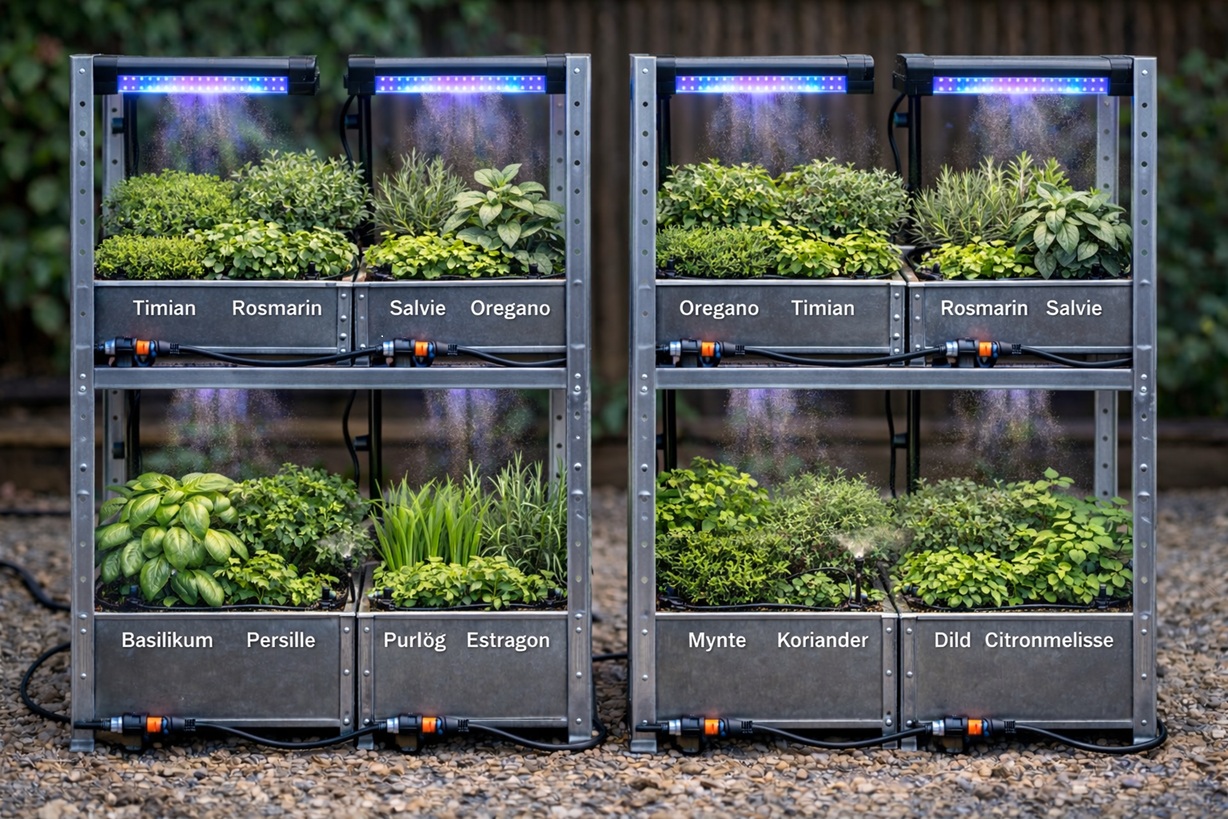
Autofarming’s vision is to make effective, easy, and organic agriculture available for everybody, even in small spaces such as gardens, balconies, or small outdoor areas.
Effective
High yield farming with self-diagnosis, automated water control, optimized light exposure, and nutrient monitoring.
Easy
Only requires attention a few times per week. No farming knowledge required. AI + sensors handle the hard work.
Organic
Designed to avoid artificial fertilizers and reduce chemical dependency by using precision monitoring.
UN World Goals
Autofarming is designed as a practical sustainability technology that supports multiple UN Sustainable Development Goals. Below are the key goals Autofarming directly contributes to.

Zero Hunger
Autofarming increases access to local food production by making high-yield farming possible in small spaces and private homes. This supports food resilience and decentralised food supply.
- Higher yield per square meter through vertical farming.
- AI optimises plant growth using light, water, and nutrient adjustments.
- Enables local self-sufficiency in herbs, vegetables, and crops.

Good Health and Well-being
Autofarming supports healthier lifestyles by making fresh vegetables and herbs more accessible. It also promotes mental well-being by enabling gardening without heavy labour or expertise.
- More access to fresh and nutritious food.
- Reduced dependency on industrial food supply chains.
- Gardening improves well-being and reduces stress.

Quality Education
Autofarming is a strong platform for education in biology, sustainability, IoT, and AI. Schools and institutions can use it as a hands-on STEM learning environment.
- Practical learning about plant growth and ecosystems.
- Data-driven farming enables digital and scientific skills.
- Inspires innovation in green technology.

Clean Water and Sanitation
Autofarming reduces water waste through precision irrigation and sensor-based control. Instead of overwatering, the system delivers exactly what the plants need.
- Efficient drip irrigation reduces water consumption.
- IoT monitoring prevents overwatering and runoff.
- Water flow and level tracking improves resource management.
Affordable and Clean Energy
Autofarming can operate with low energy usage and can be integrated with solar panels and battery storage. This enables sustainable food production powered by renewable energy.
- Low-energy IoT devices reduce electricity demand.
- Solar + battery operation possible for off-grid farming.
- Energy-efficient automation reduces overall consumption.
Industry, Innovation and Infrastructure
Autofarming brings AI and IoT innovation into agriculture. It modernises farming infrastructure using sensors, cloud analytics, and automated control.
- AI-based farming agent optimises plant growth decisions.
- Smart sensors collect real-time farming data.
- Scalable architecture across many farms and locations.
Sustainable Cities and Communities
Autofarming enables urban farming and local food production, making cities more resilient and less dependent on long transport supply chains.
- Supports urban farming and home-based food production.
- Reduces transport emissions and cold storage needs.
- Strengthens local community food resilience.

Responsible Consumption and Production
Autofarming supports responsible production by reducing waste and allowing people to grow exactly what they need.
- Less food waste through on-demand home growing.
- Reduced packaging compared to supermarket vegetables.
- Precision nutrient dosing reduces fertiliser overuse.

Climate Action
Autofarming reduces climate impact by enabling local production and reducing emissions linked to transportation, refrigeration, and industrial farming.
- Lower CO₂ footprint through decentralised farming.
- Reduced industrial agriculture dependency.
- Optimised water and nutrient usage reduces climate pressure.
Life on Land
Autofarming supports biodiversity by encouraging organic farming and reducing chemical dependency. It also reduces pressure on industrial farmland by enabling alternative micro-farming.
- Promotes pesticide-free and chemical-free growing.
- Supports sustainable land use through vertical farming.
- Encourages biodiversity-friendly gardening practices.
Concept
Autofarming is built around a simple architecture: sensor data → AI decision engine → automated actions. The system monitors the plant environment and automatically adjusts water, light, and nutrients.
Input (Sensors)
Temperature, humidity, water flow, pH, EC nutrient level, light intensity, and camera-based plant monitoring.
AI + Database
Cloud-based database stores historical crop data and runs AI models that detect deficiencies, disease risk, and growth optimization opportunities.
Output (Automation)
The system automatically adjusts irrigation, light, fertilizer dosing, and optionally ventilation.
Business Model
Autofarming is designed to be affordable. Customers pay a one-time fee for the farming towers and equipment, plus a small monthly subscription for monitoring, AI recommendations, and system updates.
Example
One-time payment: TBD DKK for 4 beds (2 towers).
Monthly service: TBD DKK per bed for monitoring and data collection.
Denmark has approximately 1.2 million private gardens (villa gardens, allotment gardens, etc.), making this a large and scalable market.
Contact
Interested in Autofarming? Want to collaborate, invest, or pilot the concept?
Contact Autofarming